
in the vineyard- Farming With the Wild
The Applegate Valley sits at the base of the Siskiyou mountain range. Rugged and beautiful, it’s one of the most biodiverse areas in the world.
Protecting wildlife and habitat in our valley means that we need to think beyond Organic. At Quady North, we employ regenerative farming practices, maintain wildlife corridors and pollinator gardens, and provide safe spaces for native species.
We’re certifed LIVE sustainable. LIVE (Low Input Viticulture and Enology) is a non-profit organization based in the Pacific Northwest dedicated to promoting science based, sustainable certification and education. Founded by a small group of Oregon growers in 1997, LIVE is internationally recognized for excellence.
While LIVE certification does allow for glyphosate to be used in certain circumstances, we do not use glyphosate.

Recognizing that our property is a vital pathway for migrating deer and other animals, we fenced in the vineyards, but left connecting corridors for wildlife.
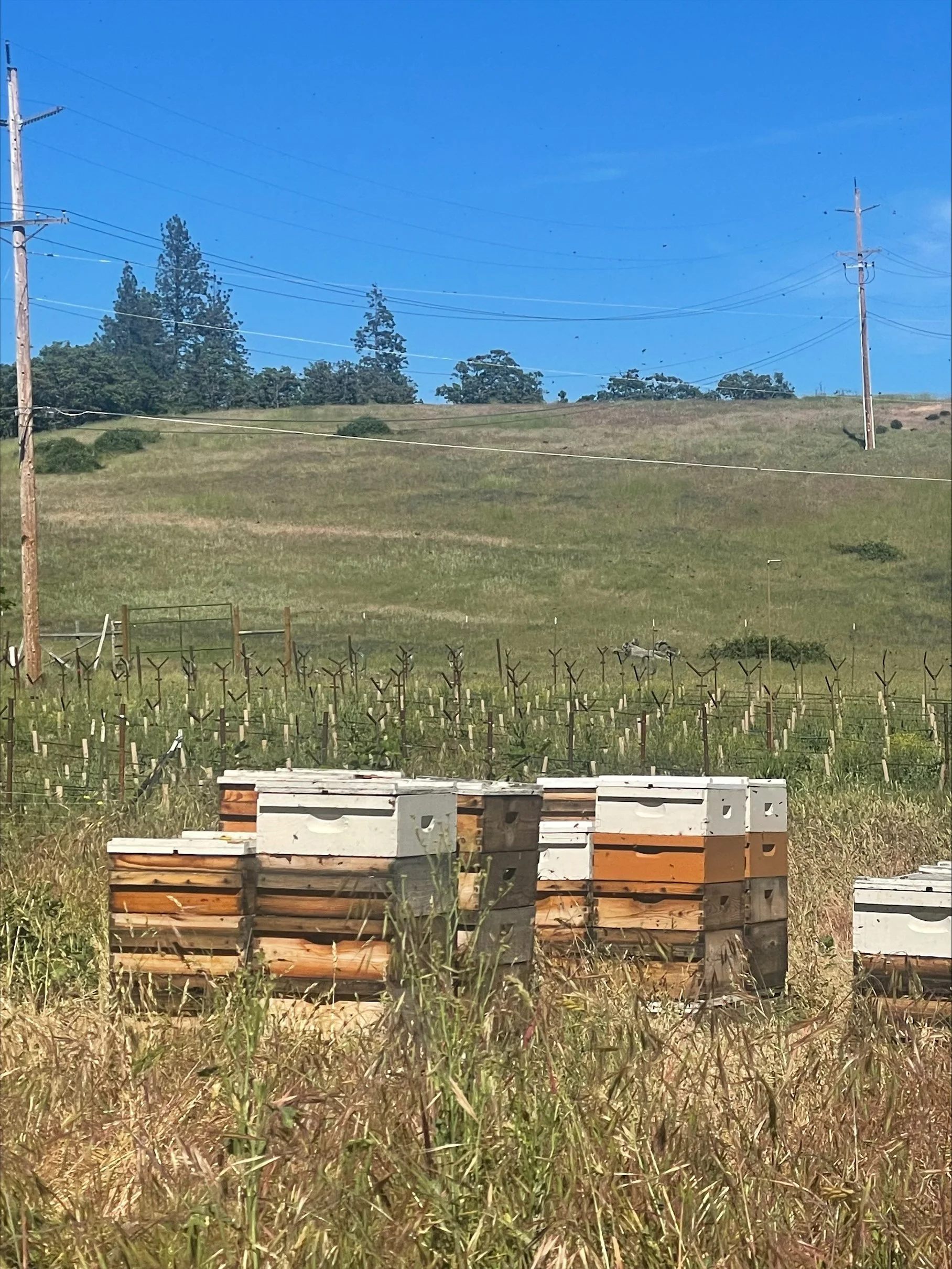
Our Estate is a home to dozens of bee hives. Our careful stewardship of our property makes us a safe place for these bees to thrive. If you visit our tasting room, ask for a taste of our estate grown honey.
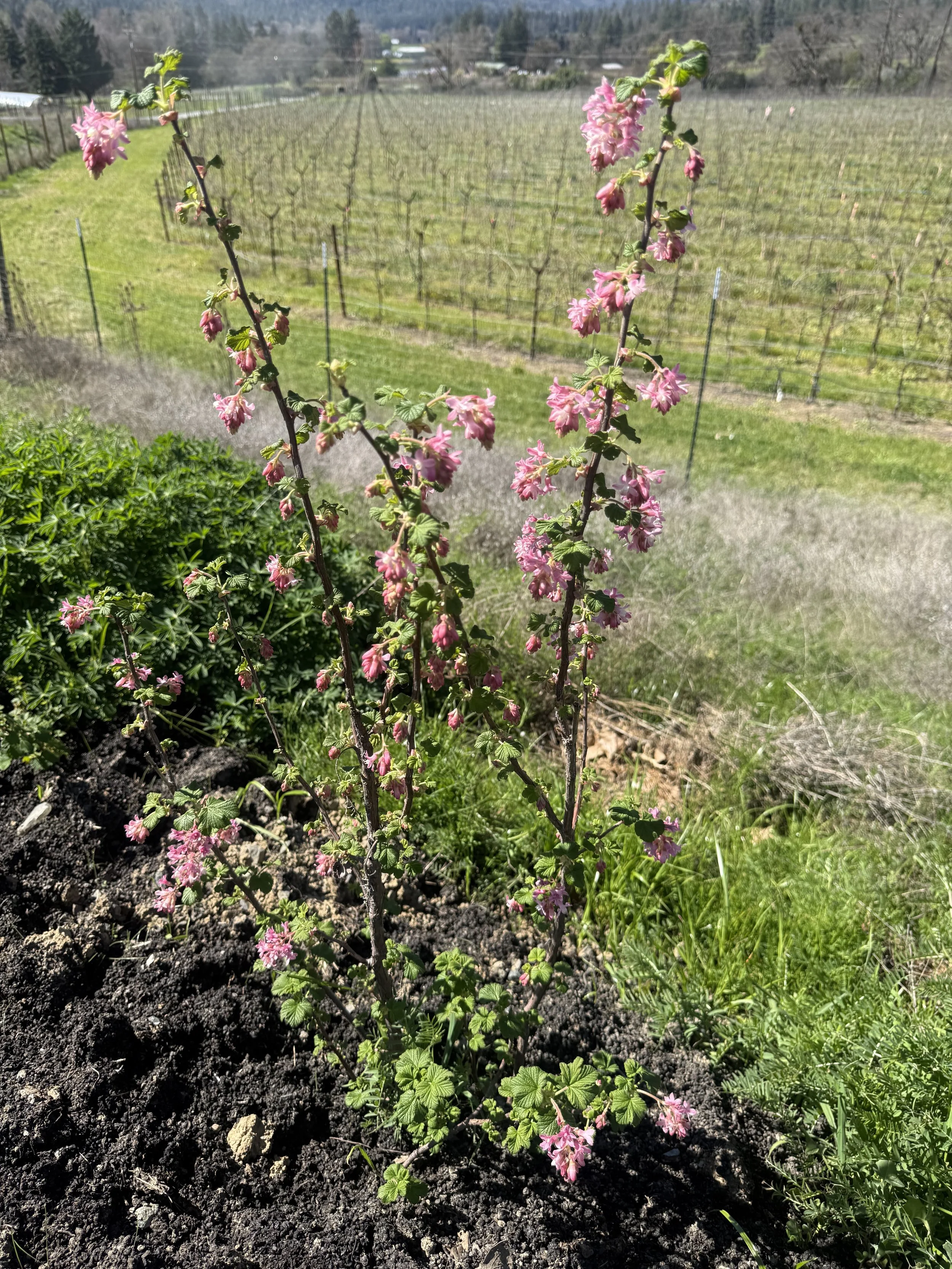
Our pollinator garden was developed with help from The Pollinator Partnership. It was especially designed as forage for migrating Monarch butterflies.
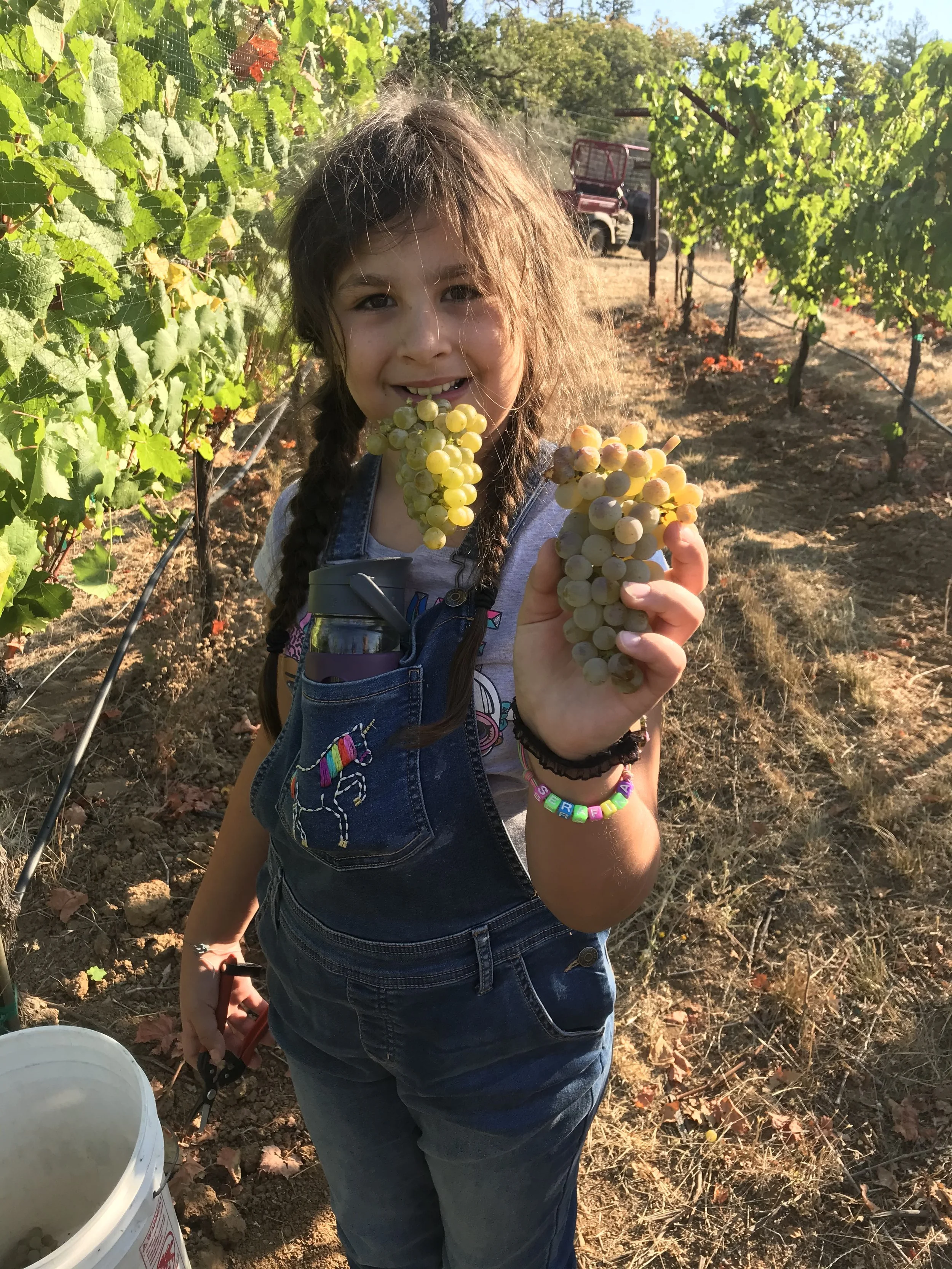
Serafina Quady enjoying fresh picked Muscat. We grow a small amount of seedless muscat for sale in the tasting room and our local coop.


In the winery:
Minimal intervention
Maximum Expression
In the winery, we believe in employing gentle, careful, and largely traditional winemaking techniques to bring out the natural expression of our fruit. The most important choice is focusing on the correct varieties for our region. Using grapes naturally suited to our climate means that the fruit can be harvested when flavors are ripe, but when chemistry is balanced, reducing the need for acid and sugar additions.
We start by hand harvesting early in the morning from our Estate or nearby partner vineyards. The fruit arrives cool and is processed immediately. White and Rosé grapes are whole cluster pressed, using minimum pressure. Reducing pressure means lower yields but also avoids excess bitterness. Red grapes are sorted by hand, and then destemmed using vibration, so that berries are left whole, not crushed, and delivered by conveyor to small one-ton bins.
After cold settling in tank, richer white varieties like Viognier, Chardonnay and Chenin Blanc are barrel fermented, while lighter brighter varieties like Sauvignon Blanc and Rosé are fermented in tank. The Pistoleta, a White Rhône blend, is co-fermented in tank and barrel. This technique allows for naturally balanced chemistry and early flavor integration.
Red fruit starts as whole berries, and is fermented in small, insulated, one-ton bins. During fermentation, the “cap” is punched down three times per day, rather than pumped over. This action gradually breaks down the skins over time instead of shearing them early. The wines are pressed near dryness and quickly transferred to French Oak barrels of different cooperages, ages and sizes, chosen specifically for their abilities to contribute to the wine.
Bottling occurs after a period of aging, whether in tank or barrel, and depends on the style of the wine and the goals we would like to achieve. Structured reds like Cabernet Franc are aged for 24 months, while early to release Rose’ will be bottled early in the year after pressing.
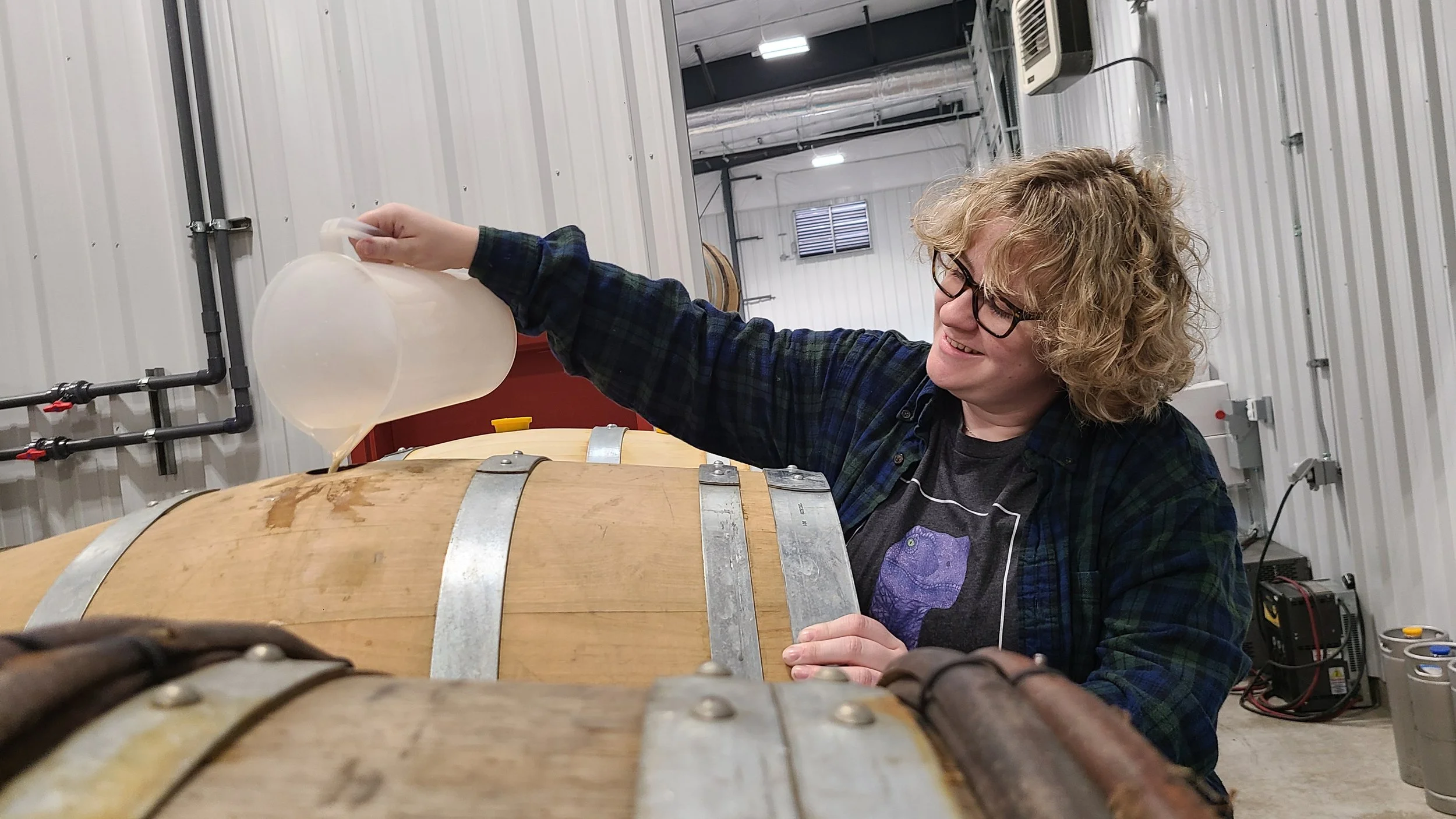
We use many different types of barrels in our winemaking, including Acacia Wood for white wines, different forests, barrel sizes and coopers, plus different type of toast levels, all to achieve our winemaking goals.
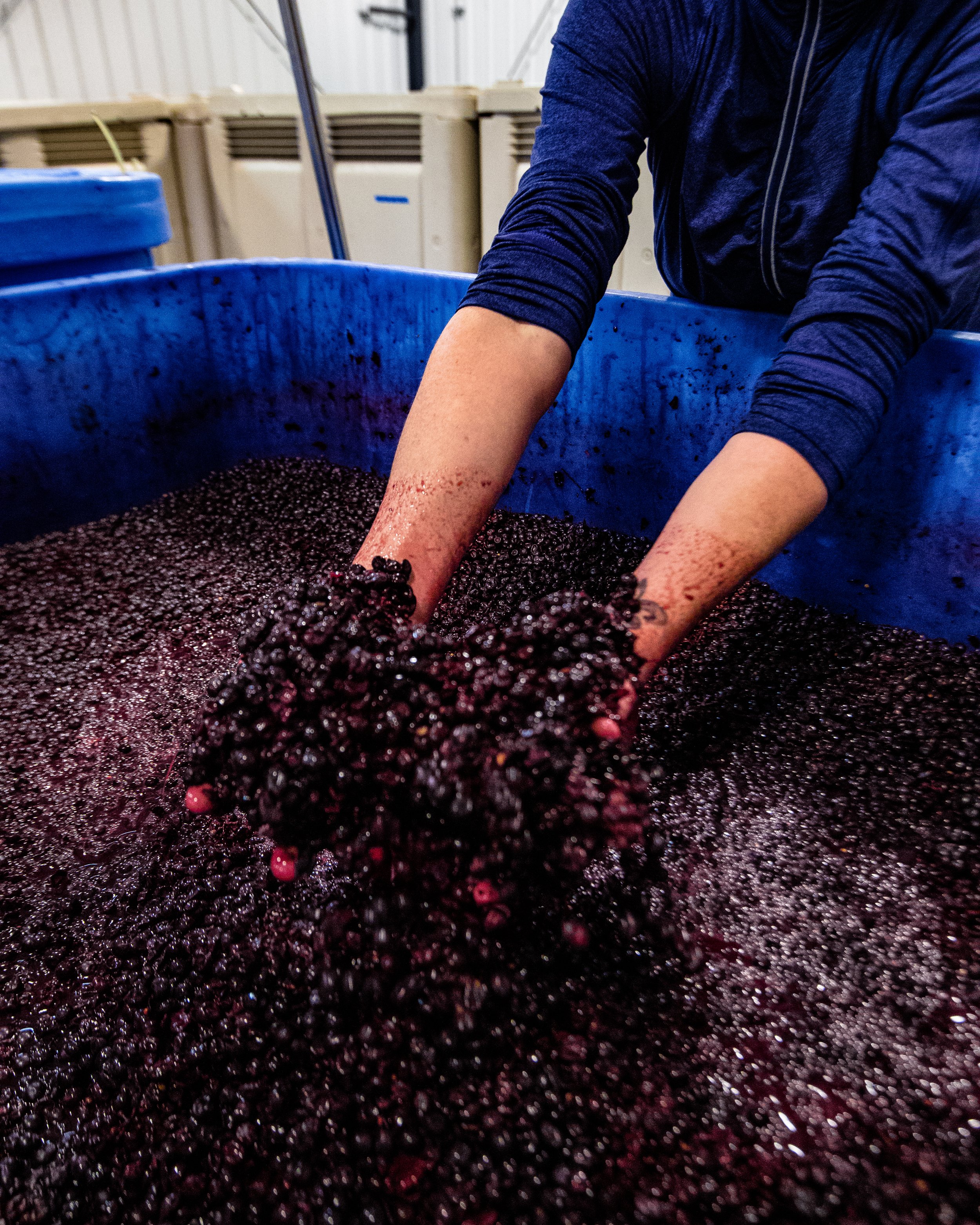
Our gentle fruit handling means that extraction of tannins and flavors happens slowly. This allows for better integration and softer texture. Berries are kept whole and allowed to break down slowly during fermentation
our commitment to sustainable packaging
Over 50% of a winery’s carbon footprint is associated with packaging and transportation. While we are committed to sustainable practices throughout our operations, we have made reducing the carbon footprint associated with packaging an organizational goal.
To achieve our goal, we’re doing the following.
Measuring the carbon footprint of our packaging annually by using the LIVE Greenhouse Gas Calculator.
Using lighter weight glass (less than 500g) for all but our sparkling wine bottles.
Using domestically sourced glass, from West Coast suppliers, as close to our winery as possible.
Using the Revino reusable wine bottle and acting as a hub for reusable wine bottle returns.
Offering a $1 credit at our tasting room for any Revino wine bottle return.
Embracing alternative packaging, such as kegs and bag in box.
Recycling cardboard, stretch films, corks, and other elements associated with packaging.
Acting as a local collection hub for used stretch film.
Spreading the word about carbon responsible packaging through our communication channels and advocacy.
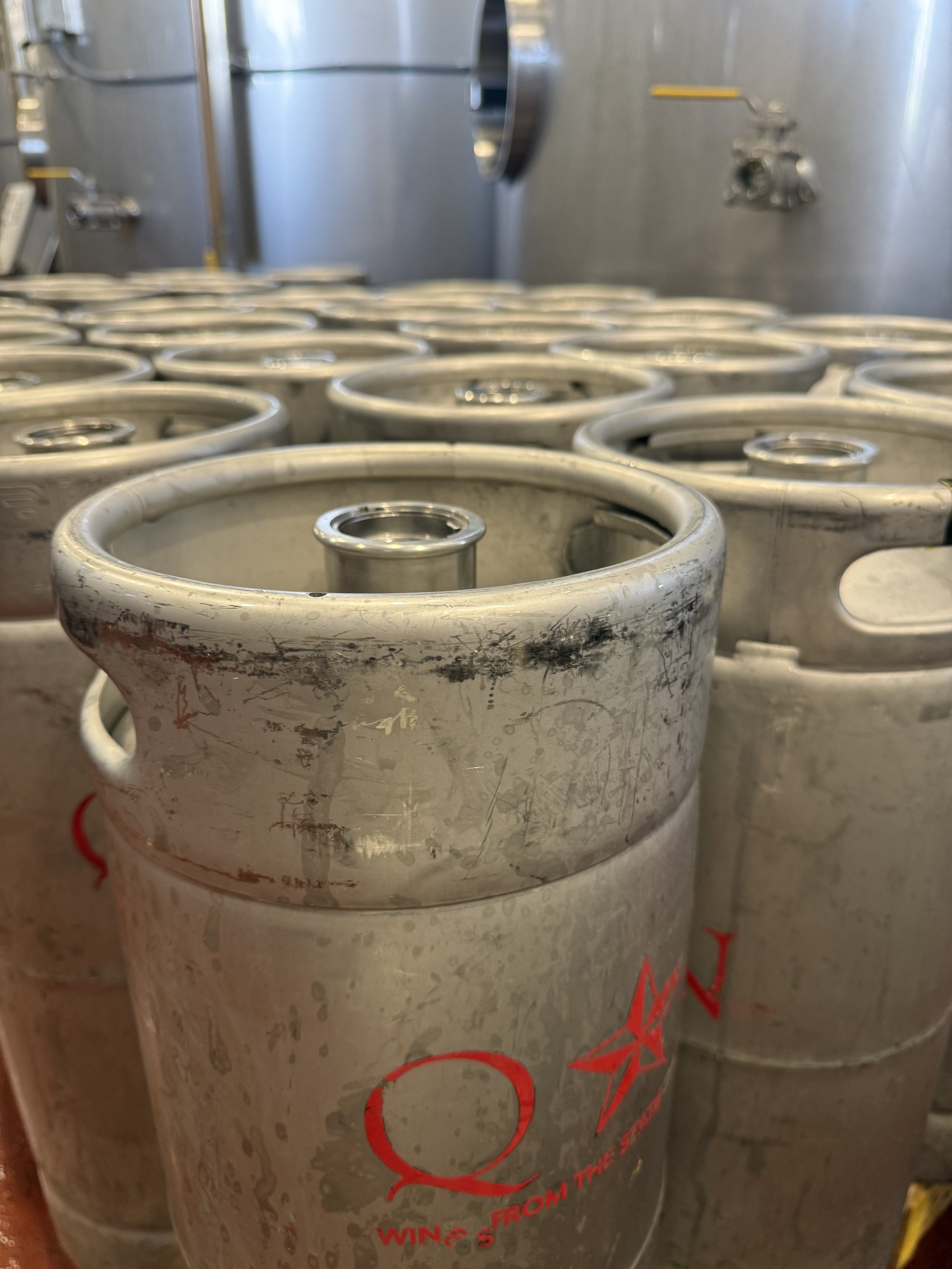
Kegs are sold to restaurants where wine is served by the glass. They can be washed and refilled indefinitely.
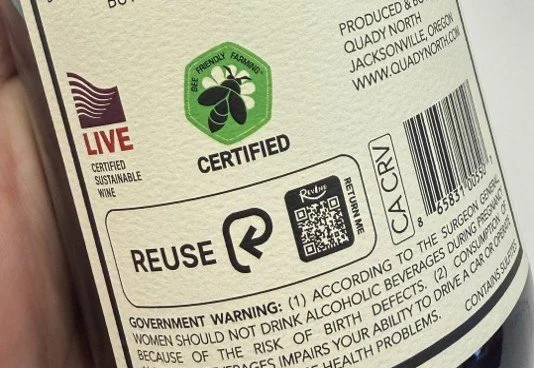
The Revino bottle can be returned once empty to a network of collection centers. It will then be collected, washed and reused. In 2026, we were the first wine to use the new "Reuse" symbol, an international standard for reusable packaging. 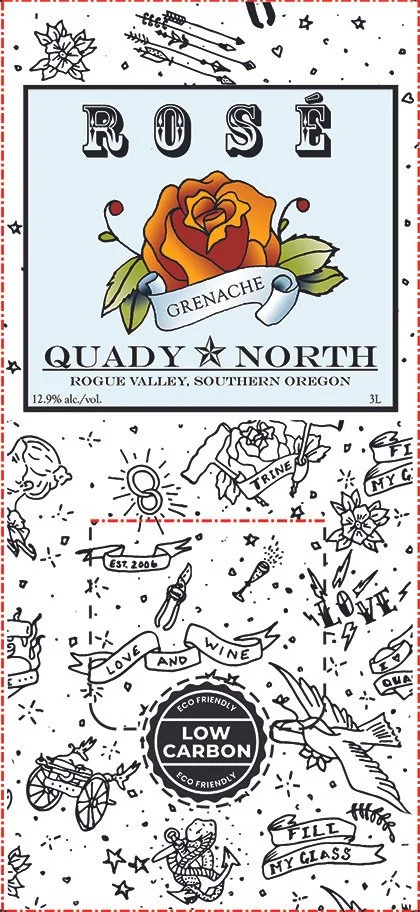
Due to its lighter weight and lower emissions associated with its production, the carbon footprint associated with bag in box wines is 60% less than the glass bottle equivalent.